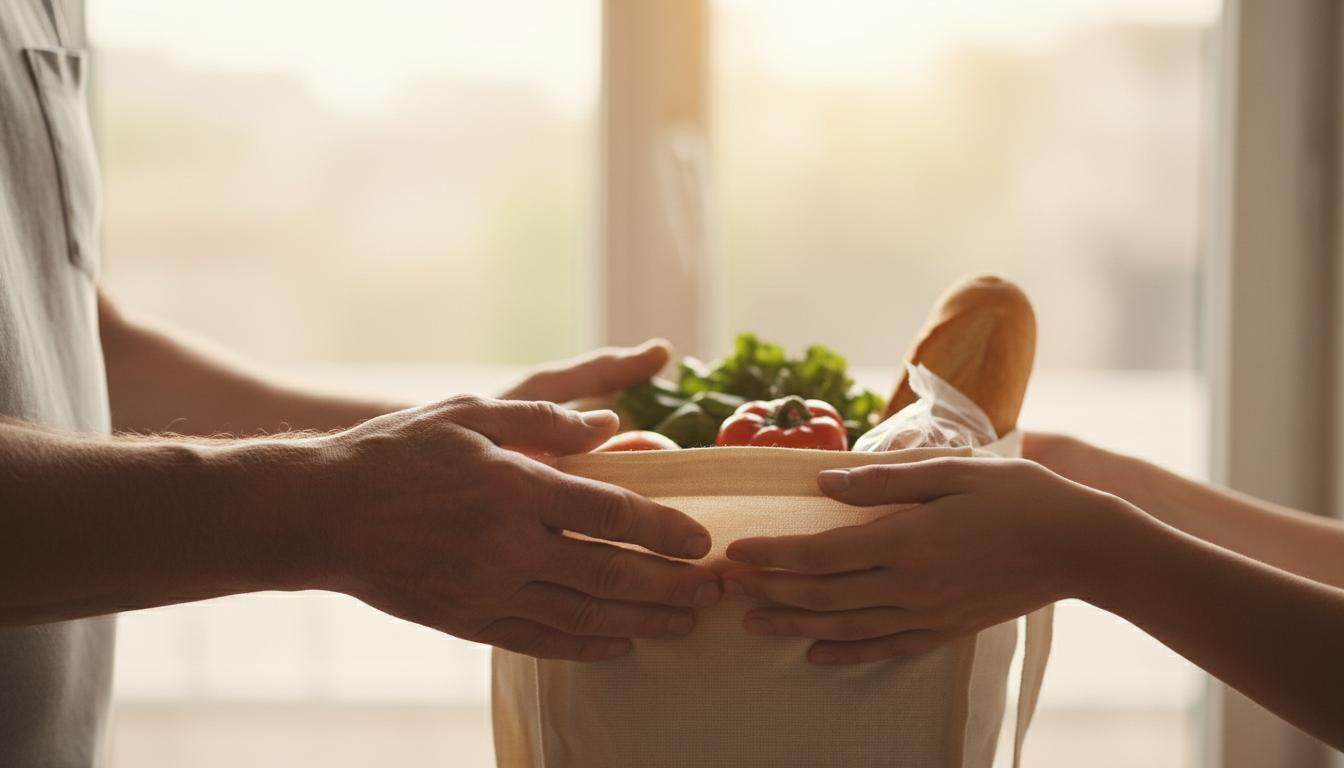
What began as an emergency food distribution programme during the 2020 pandemic has evolved into one of our most impactful initiatives: The Dignity Project. Rather than simply handing out food parcels, we have built a sustainable nutrition ecosystem that involves local farmers, mothers, and youth in every step of the process.
From Relief to Sustainability
In the early days of the pandemic, we distributed emergency food parcels to 200 families. But our team quickly realized that charity alone was not enough. "We didn't want to create dependency," explains Mrs. Funmi Adeleke, Head of Programmes. "We wanted to build a system where families could feed themselves with dignity."
The Farm-to-Family Model
Today, the project supports 500 families with monthly food baskets sourced from 30 local farms within a 20-kilometre radius. The initiative has created 45 jobs for youth in logistics and distribution, and our nutrition education workshops have reached over 2,000 mothers who now prepare healthier meals for their children.
Local farmers receive guaranteed purchase orders at fair prices, mothers receive nutrition training and cooking classes, and youth gain valuable work experience in supply chain management. It is a win-win-win model that we are now replicating in three additional communities.
Looking Ahead
With support from the Oyo State Ministry of Agriculture, we plan to expand the Farm-to-Family network to 100 farms by 2027, directly benefiting 1,000 families. We are also exploring a food processing cooperative that will allow women to preserve and sell surplus produce year-round.